Guide
Skylight leaking? What to check before assuming it needs replacing
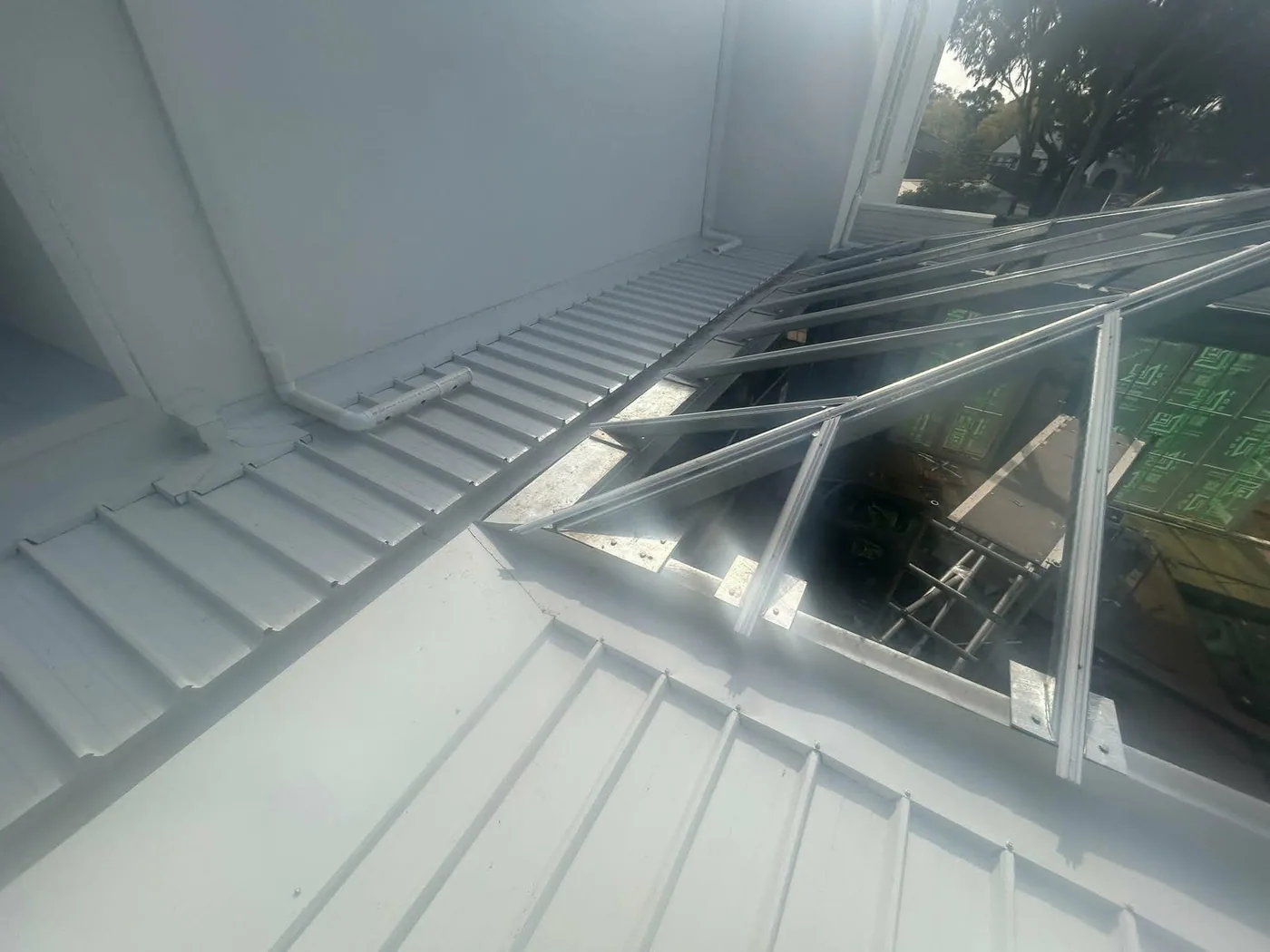
A leaking skylight doesn't automatically mean a new unit. Most of the leaks Paul finds around skylights come down to failed flashing or perished sealant around the frame — both repairable — rather than the skylight itself being faulty.
Signs it's likely flashing or sealant, not the unit
- The leak only happens during wind-driven rain: A gap in the flashing or a shrunk sealant bead only lets water through when it's being pushed sideways, not in calm rain.
- You can see a gap or gap where sealant has dried and pulled away: Perished sealant around the frame is a common, straightforward fix.
- The stain or drip traces back to the edge of the skylight, not the glass itself: Water tracking in along the frame points to the seal, not the unit.
Signs it might be the skylight itself
- Cracking or hazing in the glazing: Visible cracks or persistent cloudiness in the dome or panel itself isn't a sealant problem.
- Condensation forming even in dry weather: This can point to a failed seal on the unit itself, not just the surrounding flashing.
- Leaks that keep coming back after resealing: If flashing repairs haven't held, the curb or frame underneath may have deteriorated.
What you can check from inside
- Look for staining or damp patches on the ceiling around the skylight after rain.
- Check whether the leak lines up with windy weather specifically, or happens in any rain.
- Note if it's a new problem or one that's returned after a previous repair.
What Paul recommends
Most skylight leaks are a flashing or sealant fix, not a full replacement — but the two can look identical from inside the house. Paul offers a free on-site inspection to check the flashing, seal, and glazing before recommending anything, with a clear price before work starts.
Need help?