Guide
What causes leaks in a home? Roof, pipe and bathroom leaks explained
Water always finds the path of least resistance. In older Melbourne homes especially, that path is usually a cracked tile, a corroded pipe joint, or a bathroom seal that's given up after years of steam and movement. Most leaks don't start big — they start as a small gap that gets worse every time it rains or every time a tap runs.
Roof leaks
- Cracked or slipped tiles: Terracotta and concrete tiles crack with age and foot traffic, or slip out of place after strong wind.
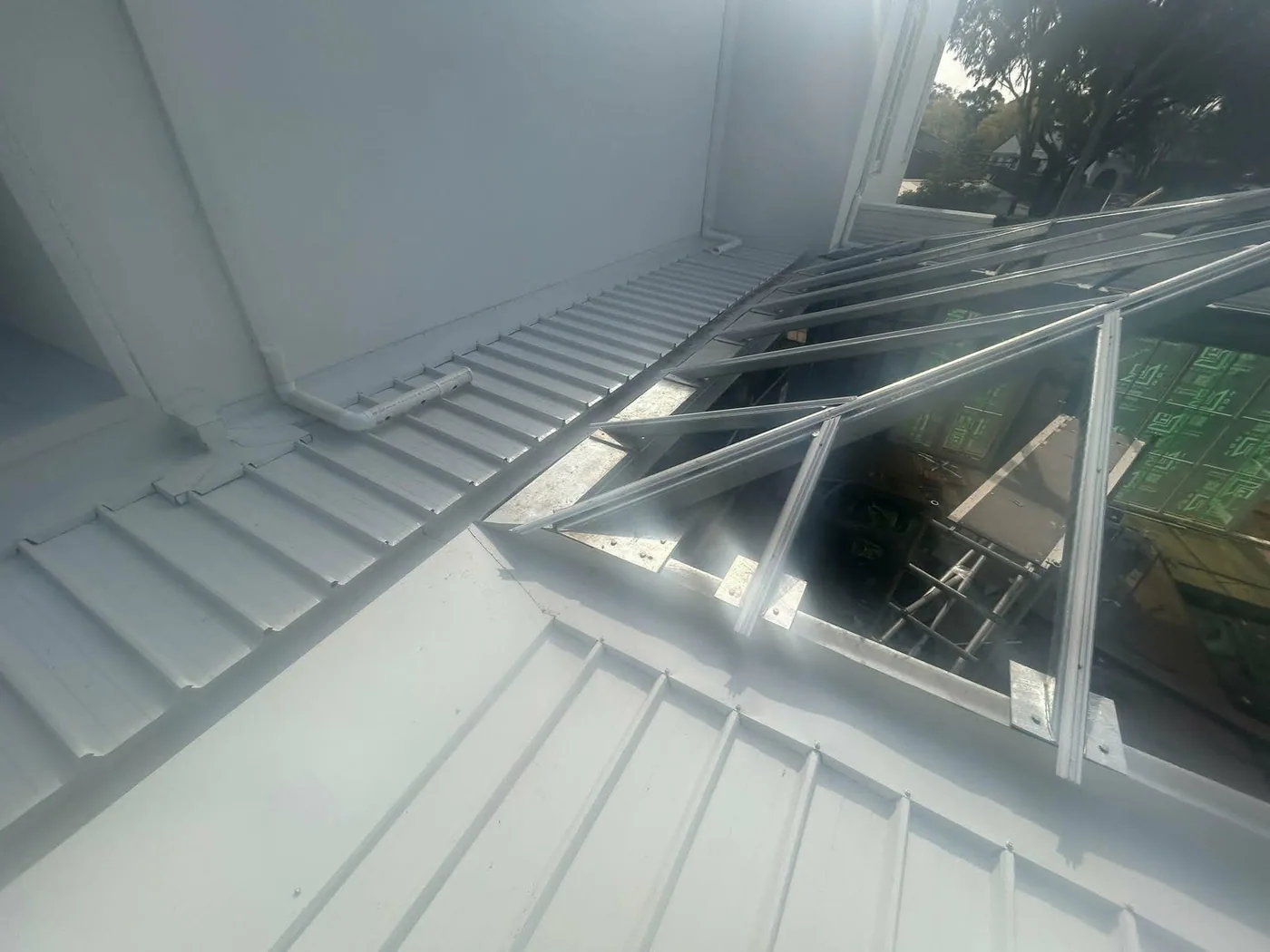
- Failed flashing: The metal strips around chimneys, vents and skylights are a common entry point once the sealant dries out and lifts.
- Corroded Colorbond: Rust at screw points or lap joints on metal roofs lets water in long before it's visible from the ground.
- Blocked valleys and gutters: Leaves and debris cause water to back up under the roofline instead of draining away.
Pipe leaks
- Corroded joints: Old galvanised or copper pipework corrodes from the inside, and pinhole leaks often show up at joints first.
- Loose or worn fittings: Fittings under sinks, at the water heater, or behind appliances can loosen with age and vibration.
- High water pressure: Pressure that's too high stresses joints and seals across the whole system, not just one spot.
Bathroom leaks
- Failed waterproofing membrane: Once the membrane under the tiles fails, water gets into the subfloor and walls even if the tiles look fine.
- Cracked grout or silicone: Gaps around the shower base, bath, or vanity let water track behind the tiles.
- Worn toilet and tap seals: A slow leak here can run for months before it shows up on your water bill.
Early signs to watch for
- Ceiling or wall stains: Even a faint yellow-brown patch means water has already been getting through.
- A rising water bill with no change in usage: Often the first sign of a hidden pipe leak.
- Musty smell or soft flooring near the bathroom: Usually points to a waterproofing failure under the tiles.
- Leaks that only appear in heavy rain: Points to a capacity issue like a blocked valley rather than a simple hole.
What Paul recommends
The earlier a leak is found, the cheaper and simpler it is to fix. If you're seeing any of the signs above, don't wait for it to get worse — Paul comes out to find the actual source, not just treat the symptom, for a $140 call-out fee plus $120/hour and materials priced to the job, backed by a guarantee that if the same leak returns, he comes back and fixes it for free.
Need help?