Guide
Roof leak only after a big storm: one-off or a recurring risk?
A leak that only shows up during a genuinely severe storm can be a one-off — or it can be a weak point that a normal downpour just hasn't stressed hard enough to find yet. Wind-driven rain and a huge volume of water in a short time exposes things that light rain never touches.
Signs it's likely a one-off
- It hasn't happened again in any storm since, including similarly heavy ones: A genuine freak event, like debris briefly blocking a valley, doesn't tend to repeat under the same conditions.
- You can identify a clear, temporary cause: A branch that came down on the roof or a gutter that was unusually full of leaves at the time both explain a single event.
Signs it's a recurring risk
- It's happened more than once, even in different storms: That points to a genuine weak spot — a section of flashing, a valley, or a box gutter that's simply undersized for extreme volume.
- It only leaks in wind-driven rain, specifically: This usually means water is being forced sideways under flashing or tiles that are perfectly fine in vertical rain — a specific, repeatable weakness rather than a fluke.
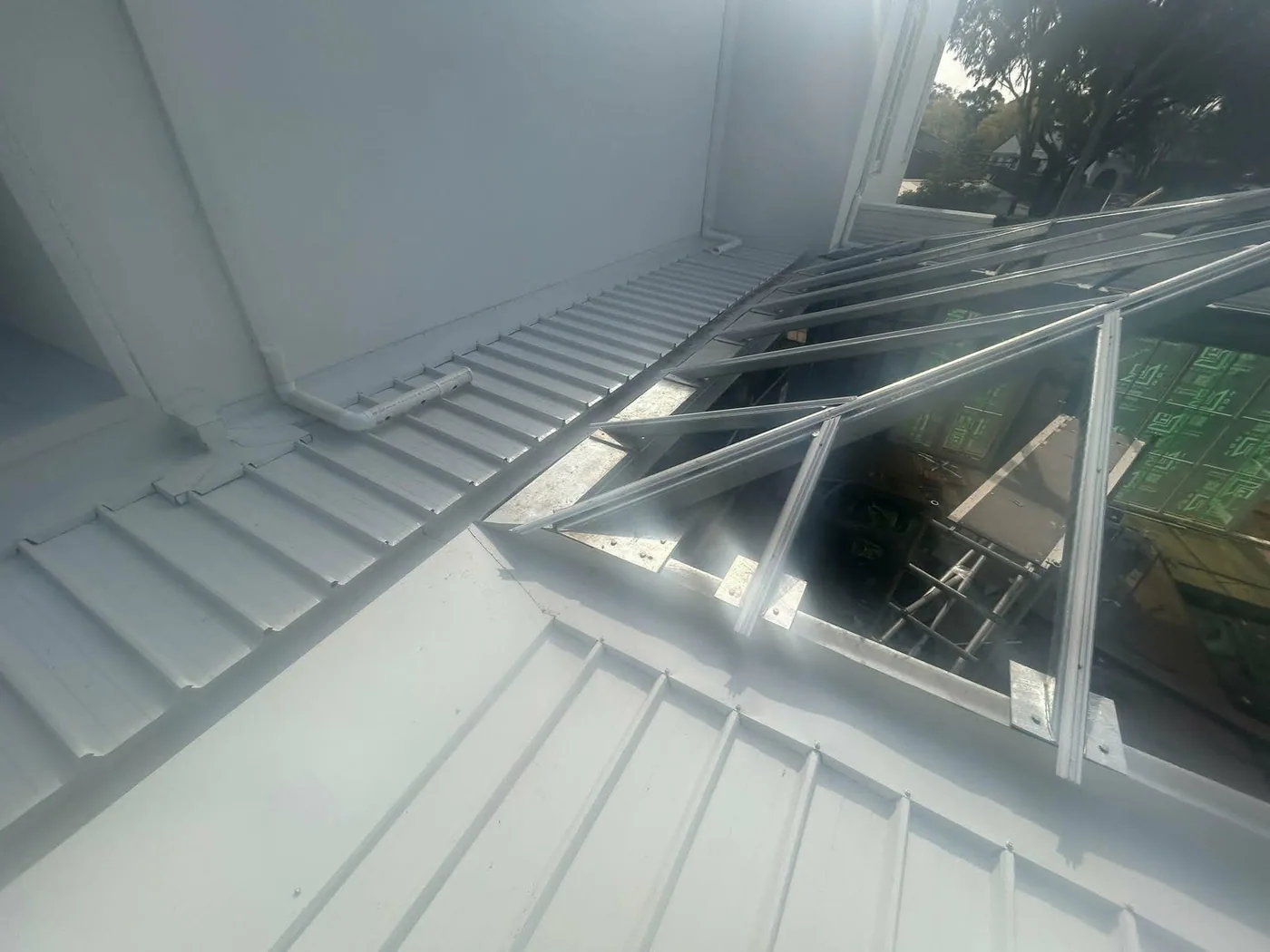
- Box gutters or valleys are involved: These have a fixed capacity. Once rain exceeds it, they'll overflow every time, not just once.
What to check once the storm passes
- Look at the roof from the ground: Check for anything obviously displaced — a lifted tile, bent flashing, or debris still sitting in a valley.
- Check the ceiling for any staining, even faint: Note exactly where it is relative to the roof above.
- Think back to what made this storm different: Wind direction, rainfall intensity, or debris are all clues to whether it's likely to happen again.
What Paul recommends
Even a one-off leak is worth a look — today's freak storm is next year's normal one as weather gets more extreme. Paul offers a free on-site inspection to work out whether it's a genuine weak point or a one-time event, with a clear price before any work starts.
Need help?